Source Automatic Vertical Dough Press for Pizza, Tortilla, Bread
Compare 30 listings for the automatic vertical dough press designed for pizza, tortilla, and bread production. Buyers can evaluate specifications like motor power, voltage, and production capacity to find the right equipment for their facility; compare the available evidence and request quotations based on your requirements.
Key considerations
Products List


Comprehensive Sourcing Guide
Automatic Vertical Dough Press Sourcing Guide
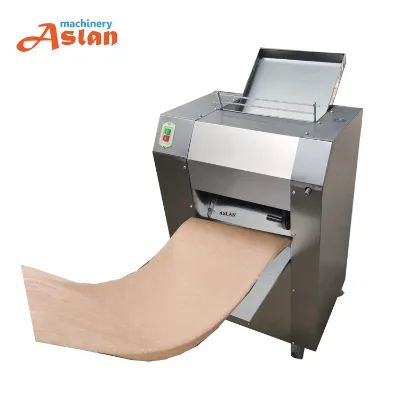
Procuring an automatic vertical dough press requires a clear understanding of the specific mechanical advantages this equipment offers for high-volume bakery operations. These machines are designed to streamline the dough sheeting process, reducing manual labor while ensuring consistent thickness and quality across large batches. Buyers must evaluate how the vertical design integrates with their existing production line, particularly when handling diverse dough types such as pizza, tortilla, or general bread dough. The automation level, ranging from semi-automatic to fully automatic control systems, directly impacts operational efficiency and workforce training requirements.
The decision to invest in this machinery hinges on balancing initial capital expenditure with long-term operational savings. Key selling points often include easy operation and low cost per unit of output, which are critical for maintaining competitive margins in the food processing industry. Buyers should assess the machine’s power source, typically electric, and verify voltage compatibility with their facility’s infrastructure. Understanding the core components, such as the motor and conveyor belt systems, is essential for predicting maintenance needs and ensuring the equipment can handle the specified production capacity without premature wear or failure.
Product Scope and Observed Listing Signals
The market for automatic vertical dough presses presents a wide range of options, with observed listing prices spanning from approximately $100 to $7,000 USD. This broad spectrum reflects variations in build quality, automation sophistication, and brand reputation. Buyers should note that the minimum order quantity (MOQ) is typically low, often starting at just one set, which allows for flexible procurement strategies for small to medium-sized enterprises. The observed product attributes indicate a focus on commercial-grade applications, with specific models designed for high-throughput environments requiring consistent dough sheeting performance.
Product listings frequently highlight key attributes such as stainless steel construction, which ensures hygiene and durability in food processing environments. The color is often described as silver, reflecting the metallic finish of the stainless steel components. Buyers should pay close attention to the model numbers, such as YMJ-350vertical or KLP-500, as these identifiers often correlate with specific dimensional standards and production capacities. The presence of customization options suggests that suppliers may offer tailored solutions for unique dough weights or thickness requirements, allowing for greater adaptability in diverse manufacturing settings.
Technical Specifications to Verify
Verifying technical specifications is crucial to ensure the dough press meets your production demands. Key dimensions, such as 580370860mm or larger variants like 15005301350mm, must align with your facility’s floor space and workflow layout. The power consumption, often listed around 2200W or 750W depending on the model, should be cross-referenced with your electrical capacity to avoid overloading circuits. Additionally, the voltage requirements, which may be 220V or 380V, must match your local power supply to prevent equipment damage or operational inefficiencies.
The conveyor belt size, typically around 465mm, and the dough thickness range of 5-20mm are critical for product consistency. Buyers should confirm the machine’s production capacity, often cited as 150kg/h, to ensure it meets your daily output targets. The dough weight range, usually between 5 to 15kgs, indicates the versatility of the press in handling different product sizes. It is also important to verify the automatic grade, whether semi-automatic or fully automatic, as this affects the level of human intervention required during operation and influences labor costs.
Compliance and Safety Documentation
Ensuring that the dough press complies with relevant safety and quality standards is a non-negotiable aspect of procurement. Buyers should request certification documents, such as CE and ISO marks, which indicate adherence to international safety and quality management principles. These certifications are vital for legal compliance in many markets and provide assurance that the machine has undergone rigorous testing for electrical safety and mechanical integrity. Without proper documentation, buyers risk facing regulatory hurdles or safety incidents that could disrupt production.
In addition to certifications, buyers should inquire about machinery test reports, which provide empirical evidence of the equipment’s performance and reliability. These reports often include data on motor efficiency, structural stability, and operational consistency under load. Warranty terms, typically lasting one year, should be clearly defined, including coverage for core components like the motor. Understanding the after-warranty service options, such as online support, spare parts availability, and video technical support, is essential for minimizing downtime and ensuring long-term operational continuity.
Cost Drivers and Commercial Terms
Several factors influence the total cost of ownership for an automatic vertical dough press, including material quality, automation level, and brand reputation. Stainless steel construction, while more expensive upfront, offers superior durability and hygiene, reducing long-term maintenance costs. The power source and motor quality also play significant roles in pricing, with higher-efficiency motors commanding a premium but offering better energy savings over time. Buyers should evaluate the total cost, including installation, training, and potential customization fees, rather than focusing solely on the initial purchase price.
Commercial terms, such as payment methods, shipping arrangements, and lead times, should be negotiated carefully to mitigate financial risk. The packing method, often a wooden case or plywood box, is crucial for protecting the machine during transit, especially given its weight, which can reach up to 100 KG. Buyers should confirm whether the quoted price includes freight and insurance, and clarify the responsibilities for customs clearance and local delivery. Understanding these terms helps in budgeting accurately and avoiding unexpected expenses that could impact the project’s profitability.
Supplier Qualification and Quality Control
Selecting a reliable supplier is paramount to ensuring the quality and reliability of the automatic vertical dough press. Buyers should verify the supplier’s production capacity and history, looking for manufacturers with a proven track record in the food machinery industry. The place of origin, often Henan, China, for many suppliers, should be considered in the context of the supplier’s overall reputation and export experience. Requesting references or case studies from previous clients can provide valuable insights into the supplier’s customer service and product performance.
Quality control processes should be transparent and rigorous, with suppliers willing to provide detailed information about their manufacturing standards. Buyers should inquire about the testing procedures used before shipment, including functional tests and safety checks. The availability of customization options indicates a supplier’s flexibility and ability to meet specific client requirements. Establishing a clear communication channel with the supplier for technical support and issue resolution is essential for a successful procurement experience and long-term partnership.
Long-Term Procurement Checks
Long-term procurement success depends on establishing robust maintenance and support protocols for the automatic vertical dough press. Buyers should develop a preventive maintenance schedule that includes regular inspection of the motor, conveyor belt, and control systems. Keeping a stock of critical spare parts, such as belts and sensors, can significantly reduce downtime in case of unexpected failures. Training staff on proper operation and basic troubleshooting is also essential to extend the machine’s lifespan and maintain consistent product quality.
Regular performance audits should be conducted to ensure the machine continues to meet production specifications over time. Buyers should monitor key metrics such as production speed, dough thickness consistency, and energy consumption to identify any deviations early. Engaging with the supplier for periodic technical support or upgrades can help keep the equipment current with industry best practices. Building a strong relationship with the supplier ensures access to timely assistance and potential improvements, safeguarding the investment and maximizing the return on procurement efforts.
FAQs
What is the production capacity of this dough press machine?
The machine offers a production capacity of 150kg per hour for efficient processing. This output supports commercial needs for pizza and tortilla dough. It operates with a 2200w motor to ensure consistent performance during high-volume baking tasks.
Which certifications does the automatic dough press hold?
This equipment holds CE and ISO certifications for safety and quality compliance. These standards ensure the machinery meets international requirements for industrial use. Buyers can rely on these documented certifications when sourcing for regulated markets.
Can the dough thickness be adjusted on this press?
Yes, the dough thickness is adjustable within a range of 5 to 20mm. This flexibility allows users to produce various bread and pizza products. The automatic control system ensures precise settings for consistent sheet quality.
What is the warranty period for this machinery?
The product comes with a standard one-year warranty for coverage. After warranty service includes online support, spare parts, and video technical assistance. This support structure helps maintain operational continuity for commercial bakeries.
How is the machine packaged for shipping?
The unit is packed in a sturdy wooden case or plywood box for protection. This packaging ensures the machinery arrives safely during international transit. The single package size measures 58 by 37 by 86 cm for logistics planning.
What is the minimum order quantity for this press?
The minimum order quantity is one set for immediate procurement. This low MOQ allows small businesses to purchase the equipment without large inventory commitments. It facilitates easier entry into automated dough processing.
Where is the place of origin for this dough press?
The place of origin is Henan, China, where the machinery is manufactured. This location is a known hub for industrial food processing equipment. Buyers can expect established supply chains from this region.